
Termite Dust on Skirting Boards or Inside a Timber Vanity: What It Means and What to Do Next
Finding a small pile of dust around your skirting boards or inside a timber vanity can be worrying, especially when it keeps coming back after cleaning. At first, it may look like ordinary dirt, sawdust, or debris from old timber. However, when the dust appears close to timber surfaces, small holes, bathroom cabinetry, or wall edges, it may be a warning sign of hidden termite activity.
One possible cause is termite frass, often called termite dust or termite droppings. While not every pile of timber dust means termites are present, it should never be ignored. Termites can stay hidden inside timber for long periods, damaging the structure from the inside before obvious signs appear.
Understanding what is termite frass, how to recognise it, and what to do if you have found termite dust can help you act early and reduce the risk of serious damage.
What Exactly Is Termite Frass?
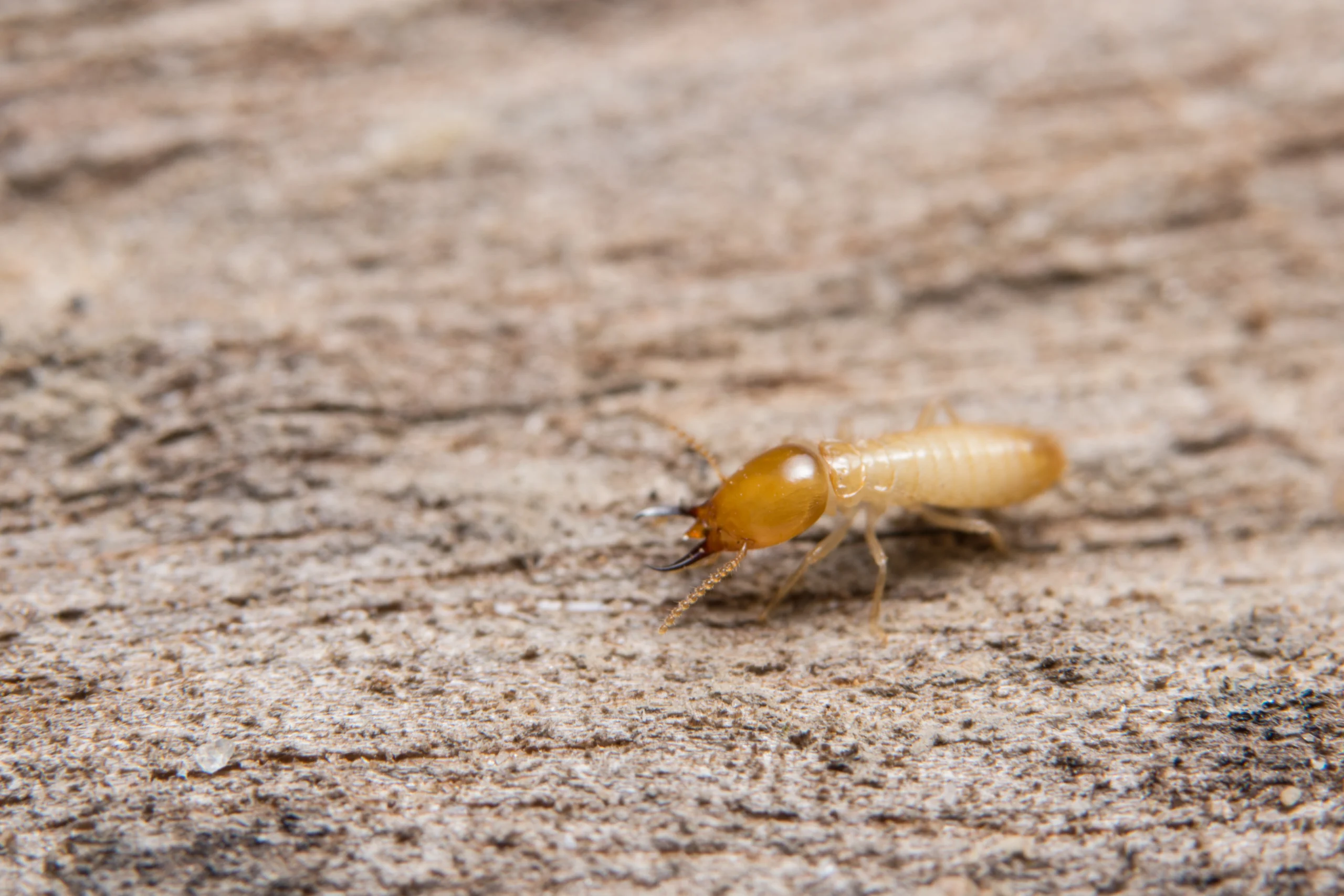
The term frass refers to insect waste. In termite cases, it is commonly used to describe the droppings produced by termites as they feed and move through timber. Drywood termites, in particular, are known for pushing these small pellets out of tiny openings in timber, often called kick-out holes. This can leave visible piles beneath skirting boards, window frames, door trims, timber furniture, or cabinetry.
However, dust-like debris around timber should always be assessed carefully. Sawdust, borer dust, carpenter ant debris, old timber decay, and general household dirt can sometimes look similar. This is why proper termite droppings identification is important before assuming the issue is active termites.
Termite frass is usually dry, firm, and pellet-like. It often looks more uniform than normal sawdust. Depending on the timber being eaten, the colour may range from pale beige to dark brown. If the same pile keeps appearing in the same area after cleaning, that can be a stronger sign that something is active inside the timber.
Why Skirting Boards and Timber Vanities Are Common Problem Areas
Skirting boards are one of the places homeowners often notice suspicious dust because they sit close to wall cavities, flooring, and timber framing. These areas can provide concealed access points where termites may move without being seen. Because skirting boards run along the edges of rooms, they can also hide early damage until the timber starts to sound hollow, soften, or break away.
Timber bathroom vanities can also be vulnerable. Bathrooms often have moisture, plumbing lines, enclosed cupboards, and limited airflow. If there is a slow leak, poor ventilation, or damp timber inside the vanity, the area can become more attractive to termites and other timber-damaging pests.
One of the most overlooked signs of termites in vanity units is recurring dust or pellet-like material inside cupboards, near cabinet corners, or around the base of the vanity. Since these spaces are not inspected every day, the issue may go unnoticed until visible debris, swelling, or soft timber appears.
How to Identify Termite Droppings
Termite droppings can be difficult to identify without experience, but there are a few warning signs to look for. True termite frass is usually made up of tiny, dry pellets that are similar in size and shape. It may collect in neat piles below small holes or cracks in timber.
Sawdust from drilling, sanding, or normal timber wear usually looks more fibrous and uneven. Carpenter ant debris can contain larger wood fragments and sometimes insect parts. General dust tends to spread more randomly and does not usually return in the same pile after repeated cleaning.
If the debris keeps reappearing in the same place, especially under a small hole or near damaged timber, it should be checked by a licensed termite inspector. A proper inspection can confirm whether the material is termite frass, another pest-related issue, or normal timber dust.
Why the Dust Keeps Reappearing
Many homeowners clean the dust, assume the problem has been removed, and then notice it again a few days later. This is when the issue becomes more concerning. Recurring dust can mean an active pest is still pushing waste or damaged timber material out from inside the wood.
In termite cases, the insects may continue feeding and moving through internal galleries while the outside surface of the timber still looks mostly normal. This is why termite damage can be so deceptive. A skirting board, vanity panel, or door frame may appear solid from the outside while the inside has already been weakened.
Repeatedly finding dust near timber should not be treated as a simple cleaning issue. It is a sign that the source needs to be found.
Found dust near skirting boards, timber vanities, door frames, or wall edges? It may be a sign of hidden termite activity. Our team inspects the affected area, confirms the source, treats active termites, and helps protect your home from further damage.
Other Signs You Should Look For
Termite dust is only one possible warning sign. You may also notice timber sounding hollow when tapped, bubbling paint, fine cracks along skirting boards, tight doors, swollen cabinet panels, or soft timber around bathroom fixtures.
In vanities, look for moisture marks, musty smells, warped panels, loose kickboards, or timber that breaks easily when pressed. These signs do not always confirm termites, but they suggest the area needs closer inspection.
Termites often work from the inside out, so visible surface damage may only appear after the internal timber has already been affected. That is why early signs such as recurring dust should be taken seriously.
Found Termite Dust: What To Do Next
If you have found termite dust, the first step is to avoid disturbing the area too much. Do not spray household insecticide into the holes or around the timber. Sprays may scatter termites, push activity deeper into the structure, or make professional treatment harder.
Take clear photos of the dust pile, the nearby timber, and any small holes, cracks, swelling, or damage. If the area is safe to access, you can gently clean a small section and monitor whether the debris returns. Avoid breaking open the timber or removing large sections before an inspection, as this may disturb the evidence.
You should then arrange a professional termite inspection as soon as possible. A licensed technician can check whether the dust is termite frass, identify the pest involved, assess whether activity is active or old, and recommend the right treatment.
Why Professional Termite Treatment Matters
Termites are not a pest that should be handled with guesswork. By the time visible frass or dust appears, the problem may already be established inside timber, wall cavities, flooring, or cabinetry. Surface sprays and DIY products rarely reach the hidden areas where termites may be active.
Professional Termite Treatment focuses on identifying the source of the infestation and treating it correctly. Depending on the termite species, property layout, moisture conditions, and level of activity, treatment may involve baiting, direct timber treatment, dusting, foaming, soil treatment, or other termite management methods.
A professional inspection is also important because it can separate active termite activity from old damage. This matters because old damage may require repair, while active termites require immediate control.
The Role of a Chemical Termite Barrier
After treatment, prevention becomes just as important as removal. A professionally installed chemical termite Barrier can help protect the property by creating a treated zone around key entry points. When installed correctly, this treated zone is designed to reduce the risk of termites entering the building undetected.
However, termite barriers are not a set-and-forget solution. Landscaping changes, plumbing leaks, soil movement, renovations, and untreated gaps can affect protection over time. Regular inspections are still needed to check for new activity and ensure the property remains protected.
The best approach is usually a combination of professional treatment, moisture control, regular inspections, and preventive termite management.
Why Australian Homes Are at Risk
Australian homes can be vulnerable to termites because many properties contain timber framing, timber skirting, cabinetry, decking, fencing, or subfloor structures. Warm weather, humidity, damp bathrooms, leaking pipes, poor drainage, and stored timber around the home can all increase risk.
Bathrooms and vanities deserve particular attention because moisture issues can stay hidden behind cabinets and plumbing lines. If damp timber sits undisturbed for long periods, termites and other timber pests may find it easier to settle in.
This is why homeowners should never ignore recurring dust near timber, especially in moisture-prone areas.
Conclusion
Finding termite dust on skirting boards or inside a timber vanity should not be dismissed as ordinary dirt. While the debris may come from several sources, recurring dust near timber can be an early warning sign of hidden pest activity.
Understanding what termite frass is, knowing how termite droppings identification works, and recognising the signs of termites in vanity units can help you respond before the damage becomes more serious.
If you have found termite dust, avoid spraying or breaking open the timber. Take photos, monitor whether the dust returns, and organise a professional termite inspection. Early action can help protect your home, reduce repair costs, and stop termites from spreading further through the property.

Frequently Asked Questions
What is termite frass?
Termite frass is the waste produced by termites as they feed and move through timber. It often looks like tiny dry pellets or dust near affected timber surfaces.
How can I identify termite droppings?
Termite droppings are usually small, dry, and fairly uniform in size. They often collect in piles beneath tiny holes in timber. However, similar debris can come from other pests or timber damage, so professional identification is recommended.
Are skirting boards a common place to find termite dust?
Yes, skirting boards can be a common place to notice suspicious dust because they sit close to wall cavities, flooring, and timber framing. Termites may move through these hidden areas before signs become obvious.
Why would termites attack a bathroom vanity?
Bathroom vanities often contain timber and are located near moisture, plumbing, and enclosed spaces. If there is a leak or poor airflow, the timber may become more attractive to termites and other timber pests.
What should I do if I find termite dust?
Do not spray the area or break open the timber. Take photos, monitor whether the dust returns, and contact a licensed termite inspector for a proper assessment.
Does a chemical termite barrier completely stop termites?
A chemical termite barrier can greatly reduce the risk of termite entry, but it does not remove the need for regular inspections. Termites can still exploit untreated gaps, moisture problems, or changes around the property.