Hearing scratching in the ceiling at night, or finding droppings in the pantry? Rats and mice move into Perth homes fast once the weather cools, chewing wiring, contaminating food and breeding in roof voids and wall cavities. Sherlock’s licensed technicians do not just bait and leave. We identify the species, remove the active infestation, then seal the entry points so they cannot get back in.
We service homes, businesses and strata properties from the northern corridor through Butler, Clarkson, Joondalup and Wanneroo, and right across the Perth metropolitan area, with same-day or next-day appointments in most suburbs.
5.0Top Rated Serviceverified by TrustindexTrustindex verifies that the company has a review score above 4.5, based on reviews collected on Google over the past 12 months, qualifying it to receive the Top Rated Certificate.
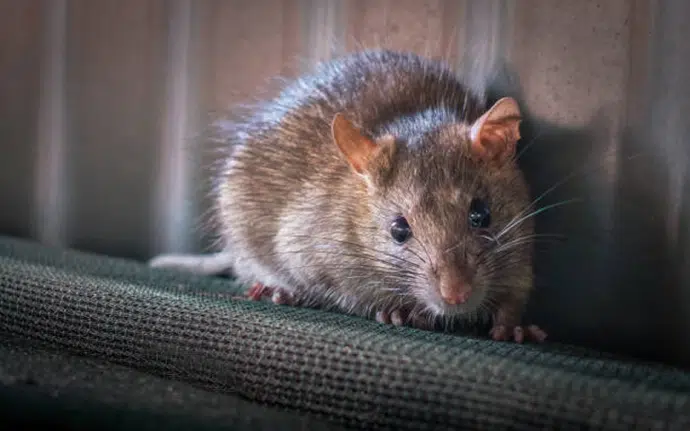
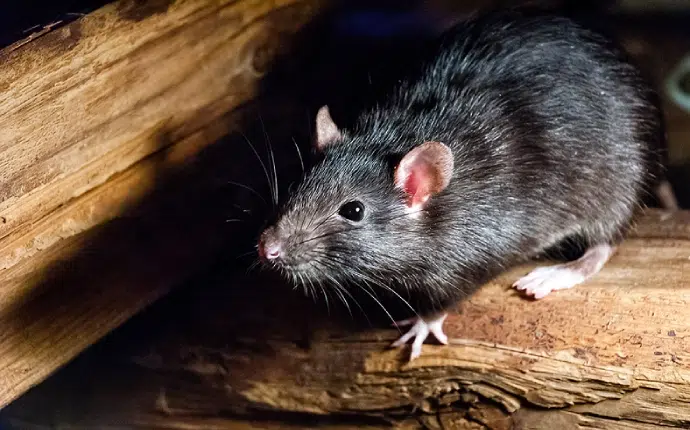
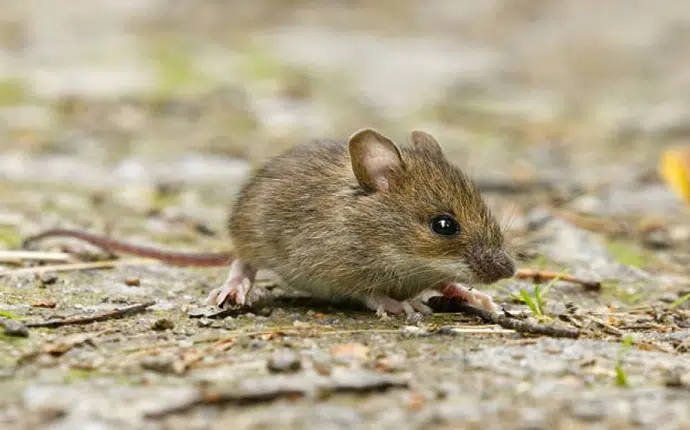
Three rodent species account for almost every call-out we attend in Perth. Which one you have changes where we look, what we use and how long it takes, which is why the inspection comes before the treatment rather than after it.
Larger, ground-dwelling rats that burrow near drains, subfloors, compost heaps and chicken coops. Common around older suburbs. They are rarely found in roof voids, so treatment concentrates on ground-level stations and burrow entrances.
Excellent climbers that nest in roof voids, wall cavities and dense garden growth. In Perth’s tiled-roof homes they are the number-one call-out. Signs are usually heard before they are seen, scratching in the ceiling between dusk & early morning.
Small, fast-breeding and able to squeeze through a gap the width of a pencil. They contaminate far more food than they eat and are the most frequent rodent in kitchens and pantries. Mice nest close to a food source, often behind a fridge, dishwasher and pantry shelf.
Rodent call-outs in Perth follow the weather closely enough that we can almost predict the week the phone starts ringing.
Autumn, March to May, is when it starts. As nights cool, roof rats move from gardens, palms and ivy into roof voids looking for somewhere dry and warm. This is the quietest and cheapest time to treat, because the population inside your roof is still small.
Winter, June to August, is the peak. Cold, wet weather pushes rodents indoors and keeps them there, and most people first hear scratching overhead in these months. By now there is usually an established nest rather than a visitor.
Spring, September to November, is when the numbers jump. Breeding accelerates, and an infestation that was manageable in June becomes a much bigger job by October if it was left alone.
Summer, December to February, looks quiet because activity moves back outside, but the entry points are still open, and the nest sites are still there. It is the best window for proofing work, because sealing a roof in summer is what stops the autumn arrival.

Rodents breed quickly and a small problem escalates within weeks. Dealing with it early keeps the job to a treatment rather than a clean-out, and keeps the cost down with it.
Rodents contaminate far more food and surfaces than they eat, and salmonella is the realistic risk in a Perth kitchen or pantry. Droppings and urine in a roof void also aggravate asthma & allergies, particularly where insulation has been disturbed.
Rodents gnaw through timber, cabling and insulation. Chewed wiring in a roof void is a fire risk and an insurance conversation, and damaged insulation is a cost that lands well after the rodents are gone.
Let’s create a pest-free environment – Contact Us Today!
Rodent droppings are small, dark and pellet-shaped, usually near food, under sinks or in cupboards. Mouse droppings are rice-grain sized; rat droppings are larger, up to 2 cm.
Oily smudge marks from rodent fur appear on walls and floorboards where they frequently travel, especially in hidden areas.
Scratching, chewing, or scurrying sounds especially at night in walls, ceilings, or under floors often indicate rodent activity.
A musty or urine-like smell may suggest a rodent issue, particularly in enclosed areas like roof spaces or storage cupboards.
Rodents build nests in dark, quiet spaces using shredded materials such as paper, fabric, or insulation often behind appliances or inside walls.
Visible bite marks on food packaging, furniture, or electrical cables strongly indicate rodent presence and potential for structural damage.
Worried about pests in your home or business? We provide fast, reliable pest management that keeps your property safe.
A licensed technician inspects your roof void, subfloor, kitchen and exterior to identify the species (roof rat, Norway rat or house mouse), locate nests, and map every entry point - roofline gaps, weep holes, pipe penetrations and door seals.
Depending on the species and where they are getting in, we use a combination of trapping and secured bait stations, positioned along the runways identified at the inspection rather than scattered around. Trapping is often the better option in a roof void, because it means the rodent does not die inside a wall cavity.
Our licensed technicians use safe extermination techniques that meet Australian standards to eliminate infestations effectively and prevent recurrence.
We seal the entry points found at the inspection, roofline gaps, weep holes, pipe penetrations, eave junctions and door seals, so the next rodent cannot walk the same path in. We come back to check the stations and confirm activity has stopped, and you get a written report showing what was found, what was treated and what was sealed.
Our mission is simple- to deliver reliable pest management that keeps your home, business, and community clean, safe, and pest-free. With years of on-ground expertise and a customer-first approach, we don’t just treat pests – we prevent them from coming back.


Yes. We treat roof rats, Norway rats and house mice, and the inspection determines which you have – the treatment plan is different for each species, which is why correct identification matters.
Most residential rodent treatments in Perth fall in a fixed-price range depending on property size and infestation level; commercial jobs are quoted after inspection. You’ll always get a fixed quote up front before any work starts – call us or request a quote online.
Roof rats are the most common rodent call-out in Perth, and a roof void is the one place DIY baiting tends to go badly, because a rat that takes bait and dies inside a wall cavity becomes a second problem. We inspect the void, identify the species, and usually favour trapping over baiting up there for exactly that reason. Once activity stops we seal the roofline gaps, tile ridges and eave junctions that got them in.
Yes. We use tamper-resistant, secured bait stations and low-toxicity products placed out of reach of children and pets, and we adjust placements if you have dogs, cats or chickens.
Rodents seek food, shelter, and warmth. Poor rubbish storage, food scraps, uncovered pet food, fruits, and gaps in walls or roofing increase the risk of rodent infestation. Keeping your property clean, sealing holes and entry points, and scheduling regular inspections with our pest control Perth team are important steps to prevent rodent problems.
DIY baiting reduces numbers but rarely seals the entry points, so new rodents move straight back in. Our treatment includes finding and sealing those gaps (exclusion), which is what makes it last.
Rat infestation in properties often occurs when food sources like pet food are left uncovered or when clutter provides hiding spots. In any Perth property, proper storage and cleanliness are essential to prevent rodents, which are a growing concern across Western Australia.