
A sturdy house is built on a solid foundation, strong walls, and high security roofs. However, termites pose one of the most devastating dangers to such buildings that many people usually overlook. These are the silent invaders that affect your home and feed on timber and undermine key parts of it without giving the first signs of their existence. The damage might be widespread before noticeable indicators are seen. Regular termite inspection of the property, besides professionals performing termite treatment, is the sure way to keep your property safe against unseen threats.
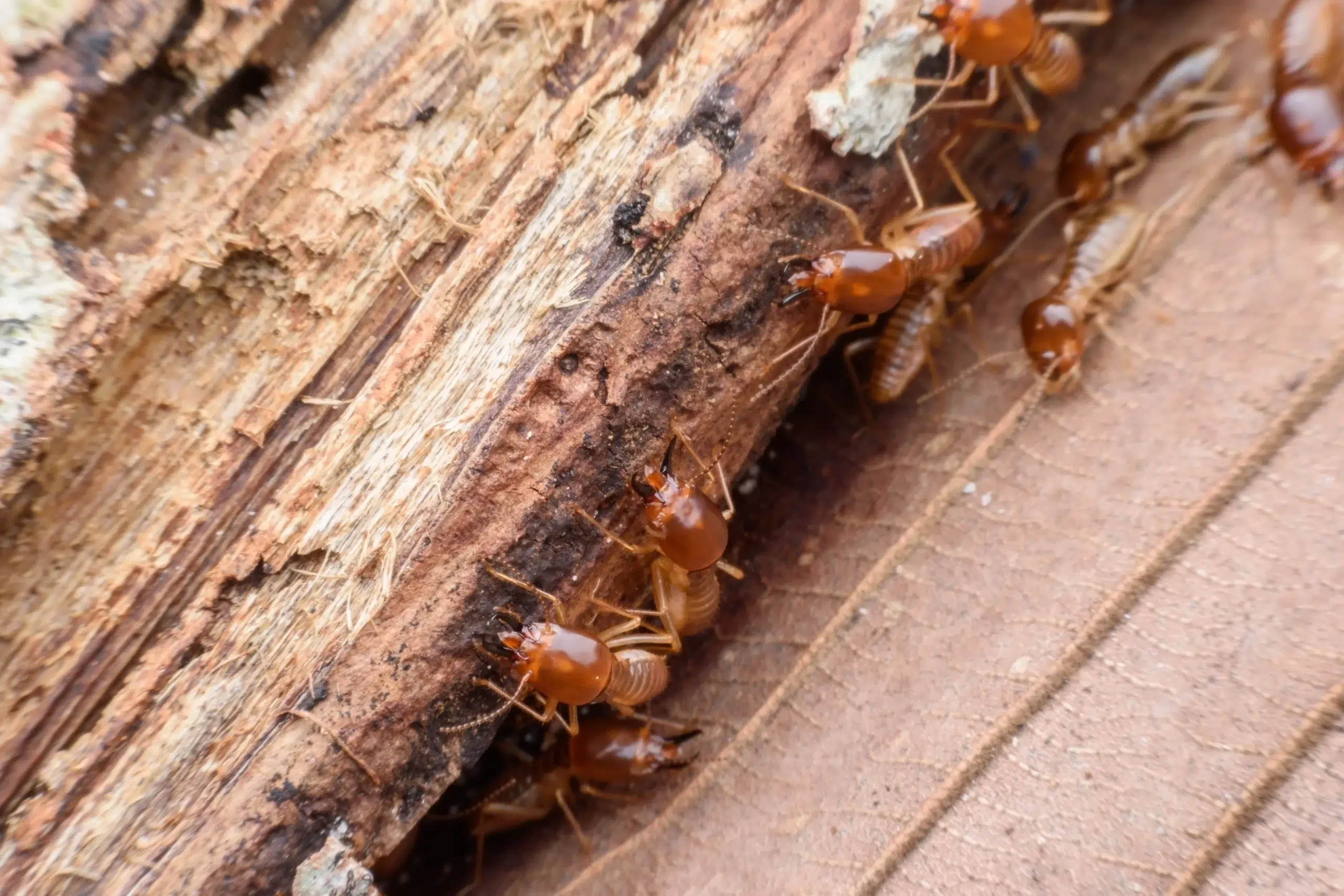
Cellulose, which is available in timber, paper, and even insulation, is a material that is used by termites to survive. They dig deep in these materials and feed on them, becoming internal to leave external shells intact. This false imitation behaviour causes infestation to take many years before it is noticed. This activity can only be detected with the help of a professional termite inspection before some structural damage has occurred, and it is irreversible.
Termites dwell in dark, moist areas, such as against the wall, foundations, and subfloors. They do not absorb light, and do not often leave any visible traces until the infestations are advanced. Due to this behaviour, there are many cases when the homeowner is unaware of initial damage. Regular termite inspections can be made during which these hidden colonies are identified before they become structural problems that are not only long-lasting, but also serious.
Uninterrupted colonies have the capacity to hollow out a beam, a truss, and a weight-bearing support. When the reinforcements are insufficient, the floors and ceilings deteriorate, and the strength of the walls decreases, posing severe dangers. At this stage, repairs usually involve significant construction. It is important to utilise a professional termite treatment to rid your property of the colonies before they undermine the structural integrity of the property, leading to expensive remediation efforts.
Subfloors and foundations are among the first areas termites attack. Constant soil contact makes them easy entry points, and once inside, termites feed on joists and timber supports. Over time, this weakens the flooring structure, creating uneven or sagging surfaces. Regular termite inspection ensures these critical areas are carefully assessed before significant damage occurs.
The beams on the roof and ceiling offer concealed and shielded areas where the termites propagate without detection. These supports are slowly compromised by colonies, and this leads to weakening of trusses, which are likely to become compromised and, in turn, cause sagging of the roofs or leaks. These areas are rarely visible, hence professional termite inspection becomes instrumental in the detection of early activity and avoiding damage that may cost a lot in the long run.
Internal walls conceal termite tunnels that spread quickly throughout a property. Over time, wallpaper may bubble, paint can blister, or faint hollow sounds emerge when walls are tapped. These signs usually appear only after termites have already caused structural harm. A timely termite treatment halts the infestation and protects the home’s interior strength.
A professional termite inspection investigates all the potential areas of risk, such as the foundations, roof voids, and internal cavities, unlike visual inspections by homeowners. Professionally trained technicians are aware of minor indicators of termites. Prompt identification is important since when infestations are identified at an early stage, they can be addressed using less invasive measures, minimising the cost of repair and property harm.
Modern inspections employ advanced tools such as moisture meters, thermal imaging cameras, and acoustic sensors. These devices detect movement or temperature changes caused by termites inside walls or under floors. This precision allows targeted termite treatment, ensuring colonies are eliminated efficiently without unnecessary disruption to the property or additional stress for homeowners and families.
Consistent inspection schedules are essential for protecting homes in termite-prone regions. Annual inspections are recommended, though six-month intervals are better for high-risk properties. These proactive checks provide homeowners with peace of mind. Regular termite inspection ensures infestations are addressed before they escalate, keeping properties structurally sound and avoiding the financial burden of large-scale repairs.
Chemical barriers create an invisible shield around a property’s foundation, blocking termite entry and killing any that try to pass through. When installed correctly, these barriers provide years of ongoing defence. Professional termite treatment using this method offers durable protection and significantly reduces reinfestation risks.
Bait stations get the termites, which feed on the bait and transport it back to their colony. Eventually, this process works out to kill the whole population. Baiting systems are another effective method of treating termites professionally, and when used in entrenched cases is very effective as it offers a sure remedy for the termite problem since it removes the core of the problem.
Modern termite treatment also includes environmentally responsible options. These treatments use reduced-chemical or non-toxic solutions that are safe for families, pets, and surrounding ecosystems. They provide targeted protection while maintaining effectiveness, ensuring homes remain secure against termites without sacrificing health, safety, or environmental sustainability in the process.
When homeowners postpone action, what might have been a minor repair can grow into a major structural restoration. Costs rise quickly once termites compromise support beams, flooring, and roofing systems. Acting early with termite inspection and treatment is always more cost-effective.
A weakened structure is not just a financial issue; it is a safety hazard. Collapsing stairs, sagging ceilings, or unstable floors put occupants at risk of injury. Addressing termite problems promptly ensures that your home remains a safe place to live.
Buyers are cautious of homes with termite histories. Even after repairs, a property’s resale value may suffer if inspections reveal previous infestations. Protecting your home with ongoing termite treatment helps maintain both its safety and market appeal.
Termites are often called “silent destroyers” for good reason. They attack unseen, compromising the strength of your home from the inside out. By the time you notice damage, it may already be significant. Regular termite inspection and professional termite treatment provide the best defence, protecting both your safety and your investment. Taking action today ensures that your home remains stable, secure, and free from the hidden threat of termites.


It is recommended that every homeowner book a termite inspection once a year. In areas where termites are highly active, inspections every six months offer stronger protection.
In most cases, no. termites live inside timber or underground, where they cannot be seen. By the time visible damage appears, the infestation is already severe, which is why inspections are essential.
Professional termite treatment methods use approved products designed with safety in mind. Licensed pest controllers apply treatments carefully, ensuring minimal risk to both people and animals.
Barrier treatments can protect a property for several years, while baiting systems require ongoing monitoring. With regular checks, these solutions remain highly effective against future infestations.
Avoid disturbing the area and contact a pest control professional immediately. Attempting DIY solutions may cause termites to relocate, making them harder to eliminate. A professional termite inspection provides the right starting point.