
Soft Spots in Wooden Floors: Is It Water Damage or Termites?
If a section of your wooden floor feels soft, bouncy, or gives slightly when you step on it, you’re looking at one of two problems: termite damage or water. Both weaken timber. Only one keeps eating. Knowing which you’ve got – fast – is the difference between a minor repair and a structural rebuild. This guide walks you through the visible signs, a side-by-side comparison, and what to do in the next 24 hours. If you’re in Perth and want a licensed technician to tell you for certain, we offer a free, no-obligation termite inspection. Call or scroll down to book.
Found Termites or Soft Spots? What To Do Right Now
If you think you’ve got termites in your floorboards, the next 24 hours matter. Here’s the exact order our Perth technicians recommend:
- Don’t spray anything – Household insect spray scatters the colony deeper into the structure. You lose your ability to trace and treat them properly.
- Don’t cut, peel, or disturb mud tubes – Mud tubes tell us where termites are travelling. Leave them intact, they’re evidence we need.
- Don’t lift the floorboard – Breaking the floor can collapse soft timber and expose live termites. Photograph instead.
- Photograph everything – Soft spot, any mud tubes, discarded wings, stains. Send them to the inspector; this saves time on arrival.
- Book a professional termite inspection the same day – A licensed technician confirms the species, the colony’s location, and the fastest treatment, bait system, soil barrier, or targeted dusting.
Signs of Termite Damage in Floorboards
The tricky part about termites in floorboards is that the damage is hidden until very late. Scan for every one of these if three or more match, book an inspection.
- Soft or spongy areas when you walk barefoot, especially near internal walls.
- A hollow, papery sound when you tap the board with a coin or knuckle.
- Tiny pin-hole blisters on the surface of the board, exit holes for winged termites.
- Sagging or sinking boards between joists, even by 1-2 mm.
- Discarded wings near windows, doors, or floor vents (swarmers shed wings after finding a new nest site).
- Mud tubes on skirting boards, subfloor piers, or the underside of floorboards (visible from a crawl space).
- Fine powder or frass resembling sawdust near the edges of boards – more common with drywood termites.
- Clicking sounds the wall or floor cavity at night, soldier termites drumming against timber.
- Doors or windows suddenly sticking is a sign the frame has subtly warped as timber is eaten.
None of these, on their own, is a diagnosis. Together, they’re a very strong signal, and in Western Australia, where subterranean termites are active year-round, worth taking seriously.
How Water Damage Causes Soft Floorboards
Water damage is usually easier to trace because it follows a source: a slow pipe leak, a failed shower seal, a leaking roof, rising damp, or poor subfloor ventilation. In Perth’s climate, rising damp and subfloor humidity are the most common culprits in older brick-and-timber homes.
Visible signs of water-damaged floors
Discolouration (dark patches or tide marks), cupped or crowned boards, peeling finish, persistent musty smell, mould growth on skirtings, and damp carpet at moisture points. If the soft spot sits directly under or next to a wet area, kitchen, bathroom, laundry, water damage is the first suspect.
Why water damage attracts termites
Here’s the uncomfortable overlap: subterranean termites are drawn to moist timber. A slow leak under a bathroom or kitchen floor often becomes a termite nesting site within 6–12 months. If you’ve already had water damage, a termite inspection is the next logical step — not the one after.
- Same-Day Service Available
- Fully Licensed & Insured Technicians
- Pet & Family Safe Treatments
- Competitive Pricing with Upfront Quotes
- Warranties & Prevention Advice
Why Termite Damage Is Harder to Catch
They eat from the inside
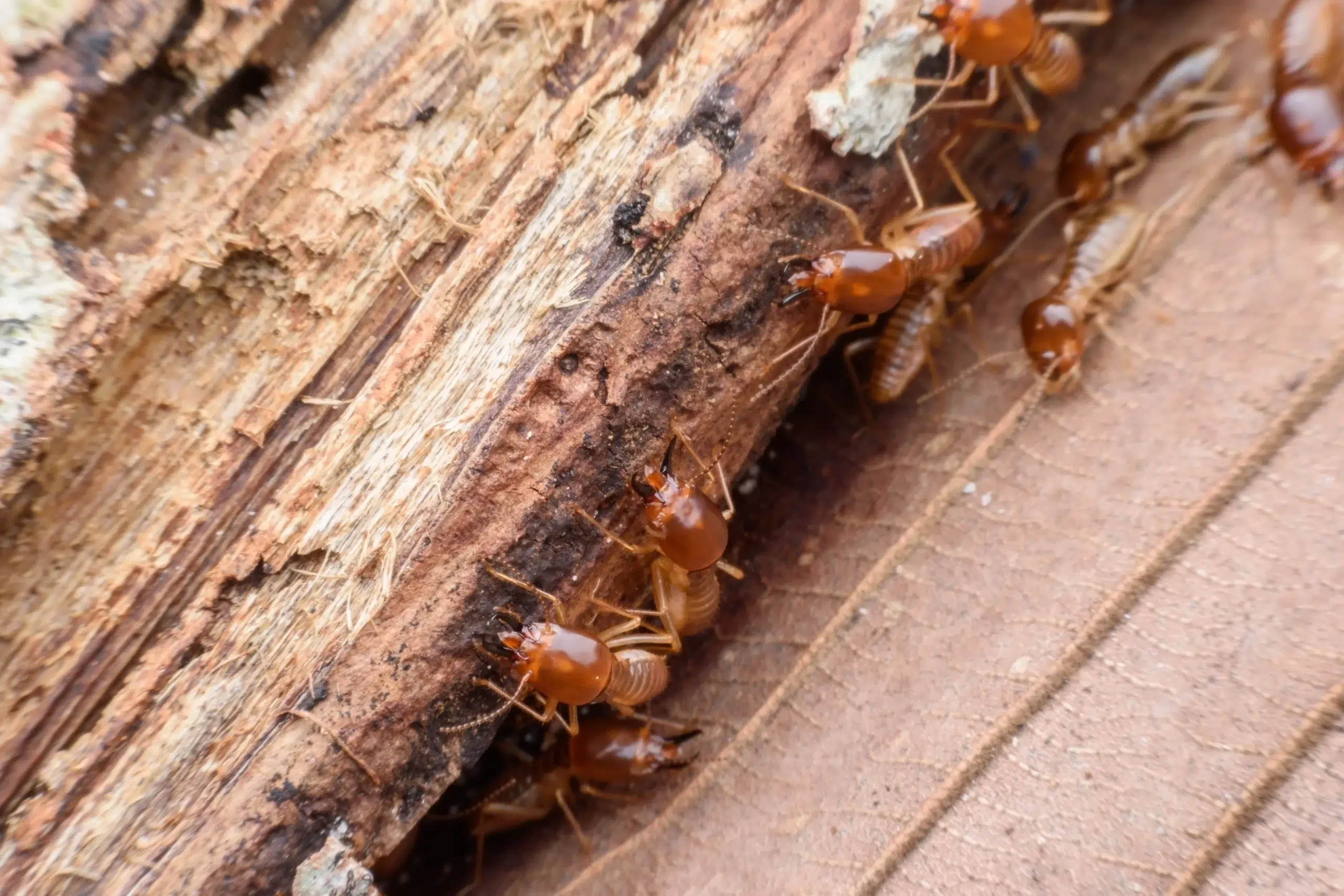
Subterranean termites follow the grain of timber and leave a thin outer shell intact. You can run your hand over a floorboard that looks perfect and miss the fact that the inside has been hollowed out for months. This is why tapping, not looking, is the best DIY test.
They move silently, fast
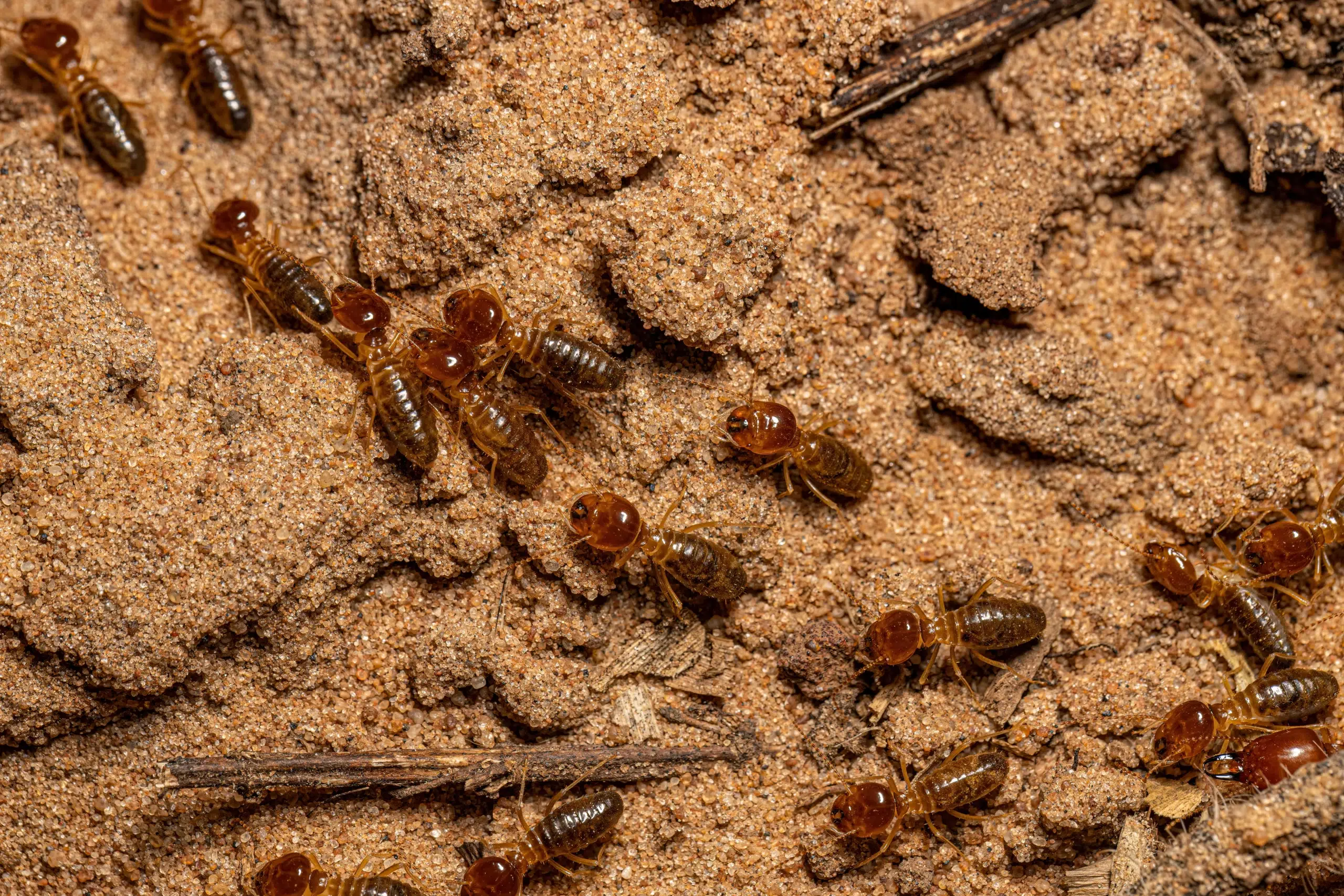
A mature colony of Coptotermes acinaciformis (the most common destructive species in WA) contains 500,000 to over a million individuals and can consume around 500 grams of timber per day. Damage that would take water months to produce can happen in a matter of weeks.
By the time the floor feels soft, damage is advanced
Soft floorboards are typically a late-stage symptom. It means the termites have already eaten through enough of the board or the supporting joist below to lose structural integrity. That’s why we treat any soft spot as urgent, not because every case is termites, but because if it is, the clock is loud.
What Happens During a Professional Termite Inspection
A Sherlock Pest Control termite inspection in Perth takes 60-90 minutes for a standard home and covers:
- Full visual sweep of interior, exterior, roof void, and subfloor where accessible.
- Moisture-meter readings on every suspect area – termites prefer timber above 20% moisture.
- Thermal-imaging scan to detect active colonies behind walls and under floors without cutting anything open.
- Tap-testing of skirtings, floorboards, door frames, and architraves.
- Written report with photos delivered the same day, including species identification if active termites are found and a recommended treatment plan with prices.
If your home is a pre-purchase inspection or you’re planning to sell, we issue a timber-pest report that meets Australian Standard AS 4349.3.
Treatment Options if Termites Are Confirmed
The right treatment depends on species, colony size, and how the termites are getting in. In Perth, the three options we use most often are:
Baiting systems
Stations placed around the perimeter of the home. Worker termites carry slow-acting bait back to the colony. Best for eliminating a colony entirely when the nest location is unknown. Timeframe: 2–4 months.
Chemical soil barriers
A continuous treated zone in the soil around your home. Kills termites on contact and stops new colonies from establishing. Best for homes with known entry points or as a long-term prevention strategy post-treatment. Warranty up to 1 year.
Direct dust or foam application
Used when there’s a visible active colony inside the structure – applied directly into the termite workings. Fast-acting, often paired with a soil barrier for colony-level elimination.
After treatment, annual termite inspections are strongly recommended. In WA, that’s not marketing – it’s Australian Standard AS 3660.2, and it’s a condition on most residential termite warranties.
How to Stop Soft Floorboards Coming Back
- Keep subfloor ventilation clear – Never block subfloor vents with garden beds, pavers, or mulch.
- Fix leaks within 48 hours – Any slow leak near a wooden floor is a future termite invitation.
- Keep timber off soil – Stacked firewood, old fence palings, decking offcuts, all prime termite starter kits.
- Clear gutters and downpipes – Overflowing gutters soak exterior walls, which soak subfloor timbers.
- Book annual termite inspections – The single most effective prevention tool. An inspection that spots an active colony before it reaches your floor costs a fraction of a repair.
Preventative Measures for Homeowners
Moisture Control
Maintain proper ventilation in subfloors and regularly inspect pipes for leaks. Clear gutters and fix roof issues promptly to prevent water damage, which can weaken wooden floors and attract termites.
Reducing Termite Risks
Store firewood away from your home and reduce wood-to-soil contact. Ensure that gardens have good drainage, and schedule annual termite inspections to prevent infestations and protect your wooden flooring.
Routine Professional Checks
Arrange annual termite inspections to detect early signs of termite activity. Professional pest control experts can identify weak spots, apply treatments, and protect your home from potential structural damage.
Conclusion
Soft spots in wooden floors should never be ignored. They may stem from water damage or termites, both of which weaken timber and threaten safety. Early repairs, inspections, and professional termite treatment protect your flooring, preserve property value, and ensure a safe, stable home.
Frequently Asked Questions
Are spongy or bouncy floorboards dangerous?
Yes. A spongy floorboard means the timber has lost structural strength, either from water or termite activity. It can hold weight for a while, then give way without warning. Any floor area that flexes under normal weight should be inspected within days, not weeks.
How do I know if I have termites in my floorboards without tearing up the floor?
You usually don’t need to. A licensed technician uses moisture meters and thermal-imaging cameras to detect active termites through the board without cutting anything. DIY warning signs, soft spots, hollow tapping, sagging boards, discarded wings, mud tubes on the subfloor, are reliable enough to warrant an inspection but not precise enough to confirm species or treatment.
Can water damage be mistaken for termite activity?
Yes, both cause soft floors. Water damage shows stains or mould, while termite damage looks intact outside but crumbles when pressed. Inspection confirms the cause.
How often should I book a termite inspection?
Annual termite inspections are recommended. They detect hidden infestations, prevent major structural damage, and give homeowners peace of mind knowing their property is protected.
What does termite damage to hardwood floors look like?
From above: usually nothing unusual, maybe a faint ripple or sagging between joists, a pin-hole, or a dull sound when tapped. From below (crawl space): mud tubes on joists, papery hollow boards, fine dusting of frass. The giveaway is always the tap test; termite-eaten hardwood sounds hollow and papery.