
Soft spots in wooden floors often signal deeper problems, commonly water damage or termites. At Sherlock Pest Control, we help homeowners identify the cause through professional termite inspection. Acting quickly prevents further timber damage, protects your property’s safety, and saves you from costly structural repairs.
Rodent pest control Perth technicians are well-trained and experienced in the behaviour of rodents. They can also anticipate the areas that the rodents may enter or conceal themselves, so the traps and rodent control measures can be very effective. This is professional information that enables more beneficial and effective control over the rodents, leading to faster and more lasting outcomes.
Professional pest control services are holistic in nature. They not only eliminate rodents, but they also examine and close holes, trap, and apply rodent-proofing methods. This helps in dealing with the whole infestation and helps in keeping away the rodents in the future. Holistic remedies ensure that your house will be covered against additional rodent problems.
Professional rodent pest control is also based on prevention in the long term, unlike DIY solutions. Pest control professionals close access holes, offer continuous surveillance, and provide insightful information about keeping your house rodent-free. They do this by dealing with the cause of the infestation so that the rodents will not re-infest again, providing you with peace of mind and long-term assurance.
Water damage is most frequently occasioned by plumbing leaks, flooding, rising damp or improper ventilation. It causes these boards to lose their strength, and they absorb the moisture, creating weak spots. This dampness also puts one in danger of a nest of crabs; hence, a termite inspection is necessary to prevent more timber loss.
Popular symptoms are discolouration, distorted boards, dusty odours and mould. Moisture problems can also be indicated by the damp carpets or peeling paint. By ignoring these symptoms, you are prone to making the situation worse and attracting termites, and in that sense, termite treatment will be urgently required to cushion your flooring and stop subsequent infestation.
Water damage that is not resolved is transferred via the flooring and undermines the substructures. Too much dampness will promote the growth of mould and poor indoor air quality, besides attracting termites in the house. In the absence of repairs and the professional check of termites, the problem develops into serious structural difficulties that are willing to spend a lot of money to restore and gain control over the pest.
Termites often remain undetected because they eat timber from the inside out, leaving the surface intact. By the time floors feel soft, significant damage may exist. Subterranean termites are especially destructive, making early detection through a professional termite inspection vital.
Mud tubes, hollow-sounding timber, and discarded wings near windows are common indicators of termites. Clicking noises in walls or floors may also suggest activity. If these signs appear, arranging prompt termite treatment is essential to prevent further destruction across your home.
Termite colonies spread quickly, damaging walls, beams, and flooring. Without immediate termite treatment, infestations escalate into costly structural repairs. Acting early with professional intervention eradicates colonies, protects your home’s framework, and ensures safety, preventing small issues from turning into serious property threats.
Water damage causes staining, swelling, and warping, often with mold. Termite-damaged wood looks unchanged but crumbles when pressed. This makes termite problems harder to identify early, meaning inspections are vital to confirm the cause of soft flooring before repairs.
Water-related issues typically develop near leaks or damp areas, while termite infestations spread far across the property. Termites move through walls and flooring unnoticed, posing larger threats. This difference highlights why accurate diagnosis and targeted action are necessary for homeowners.
Musty odours and mould growth indicate moisture damage, while mud tunnels, droppings, and hollow timber suggest termites. Discarded wings or visible tunnels are strong termite warnings. Understanding these differences helps determine whether to call repair specialists or professionals for a termite inspection and termite treatment.
Flooring is dangerous as the loosened timber collapses. This poses safety risks to anybody passing through infected zones. Immediate termite inspection will avoid injuries, recover psychic admiration, and ensure that the house becomes safe, securing all members of the household and any visitors.
Damaged flooring due to moisture contributes to mold to deteriorate indoor air quality, which in turn provokes breathing difficulties. Termites, on the other hand, undermine timber constructions. These two issues threaten occupants, and it is critical to deal with soft flooring to minimise health risks, just to ensure the continued damage to property.
Unattended repair accelerates the growth of water or the spread of termites, leading to an expensive restoration expenditure. Whereas termites may grow very fast, moisture trickles even deeper into wood. It is always cheaper to act on the problem early and avoid any harm that entails substantial repairs or replacements.
Detection of a colony under the floors is done with a professional termite inspection. Termites are quite silent spreaders, which makes timber feeble without any noticeable consequences. The only way to save your property is by making sure that the termite treatment starts at an initial stage, before the destruction.
Experts use tools such as moisture meters and thermal imaging to detect termite activity beyond visible areas. These advanced techniques reveal hidden infestations, ensuring effective termite treatment. Without a detailed termite inspection, damage often continues unnoticed until repairs become expensive.
Regular termite inspection prevents infestations from becoming severe. Early action allows homeowners to address termites before they compromise flooring and supporting structures. By investing in inspections, you save money on repairs and maintain your property’s long-term value and safety.
Solutions include repairing leaks, improving ventilation, and replacing rotted timber. Dehumidifiers or drainage systems may also be required. Addressing water issues promptly ensures flooring regains stability and prevents ongoing deterioration, keeping your home safe and structurally sound for longer.
Treatment options include bait systems, soil barriers, and targeted dusting methods. These professional techniques eliminate colonies and block re-infestation. Immediate termite treatment is essential, as delaying it allows termites to cause greater destruction, making repairs far more complex and costly.
Combining repairs with prevention is the best long-term solution. After termite treatment or water restoration, damaged timber should be replaced. Preventative steps such as annual inspections, improved ventilation, and moisture control help protect your flooring and property from recurring problems.
Maintain proper ventilation in subfloors and regularly inspect pipes for leaks. Clear gutters and fix roof issues promptly to prevent water damage, which can weaken wooden floors and attract termites.
Store firewood away from your home and reduce wood-to-soil contact. Ensure that gardens have good drainage, and schedule annual termite inspections to prevent infestations and protect your wooden flooring.
Arrange annual termite inspections to detect early signs of termite activity. Professional pest control experts can identify weak spots, apply treatments, and protect your home from potential structural damage.
Soft spots in wooden floors should never be ignored. They may stem from water damage or termites, both of which weaken timber and threaten safety. Early repairs, inspections, and professional termite treatment protect your flooring, preserve property value, and ensure a safe, stable home.
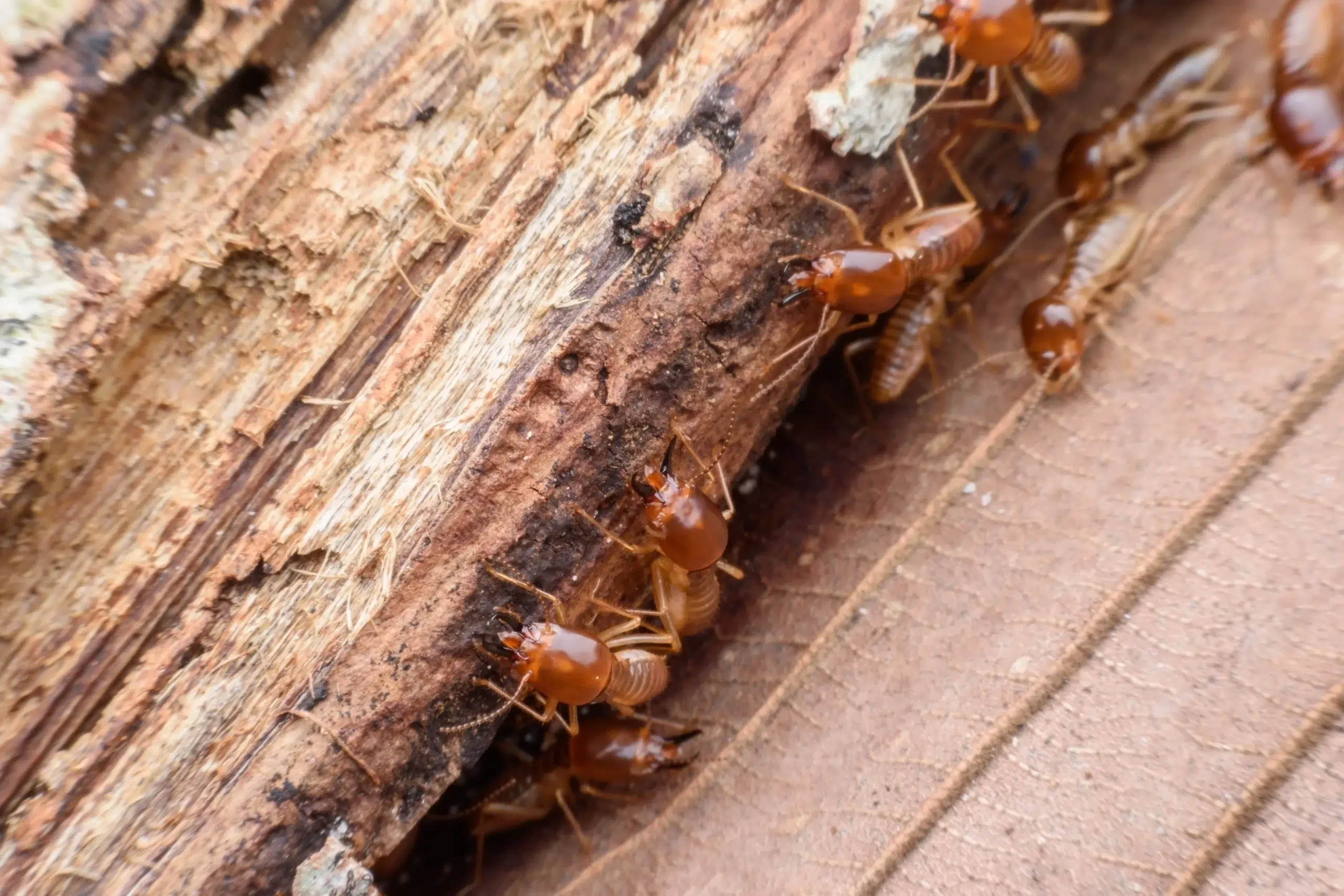
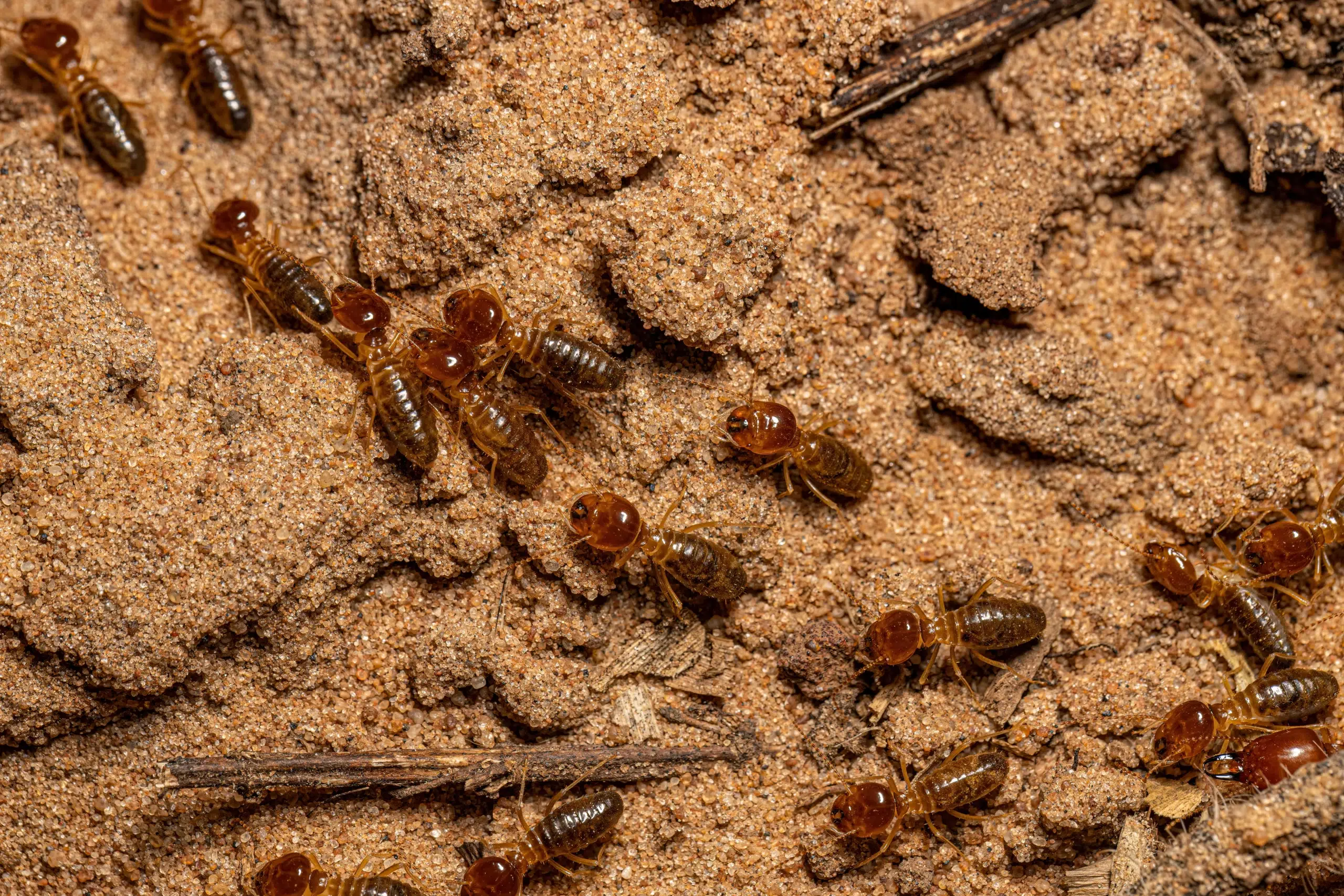

Soft spots occur from water damage or termites. Moisture weakens timber, while termites hollow out wood inside. Early identification prevents costly structural damage.
Look for hollow-sounding timber, mud tubes, or discarded wings. Floors may feel spongy. A professional termite inspection confirms whether termites are present.
Yes, both cause soft floors. Water damage shows stains or mould, while termite damage looks intact outside but crumbles when pressed. Inspection confirms the cause.
Annual termite inspections are recommended. They detect hidden infestations, prevent major structural damage, and give homeowners peace of mind knowing their property is protected.