
Is It Safe to Get Cockroach Treatment With Babies, Cats, and Dogs at Home?
If you’ve discovered cockroaches in your home and you have babies, toddlers, cats, or dogs, your first reaction is usually fear rather than frustration. Many families hesitate to book pest control because they worry about chemicals around children or pets.
This concern is extremely common. Parents frequently ask whether cockroach treatment is safe for babies and pets, whether it is even possible, or whether they need to leave their home for days after treatment. The reassuring reality is that modern pest control methods are far safer than people assume. Professional treatments today rely heavily on targeted applications such as gel baits and crack-and-crevice treatments rather than large amounts of chemical spraying.
When applied correctly by trained technicians, these methods allow effective cockroach elimination while keeping homes safe for children and animals. Understanding how these treatments work and what precautions professionals take can remove much of the anxiety surrounding pest control.
Why Families Worry About Pest Control
When babies and pets are involved, safety concerns are completely natural. Infants crawl on floors, toddlers touch everything, and pets explore with their noses and mouths. The idea of pesticides inside the home can, therefore, feel unsettling.
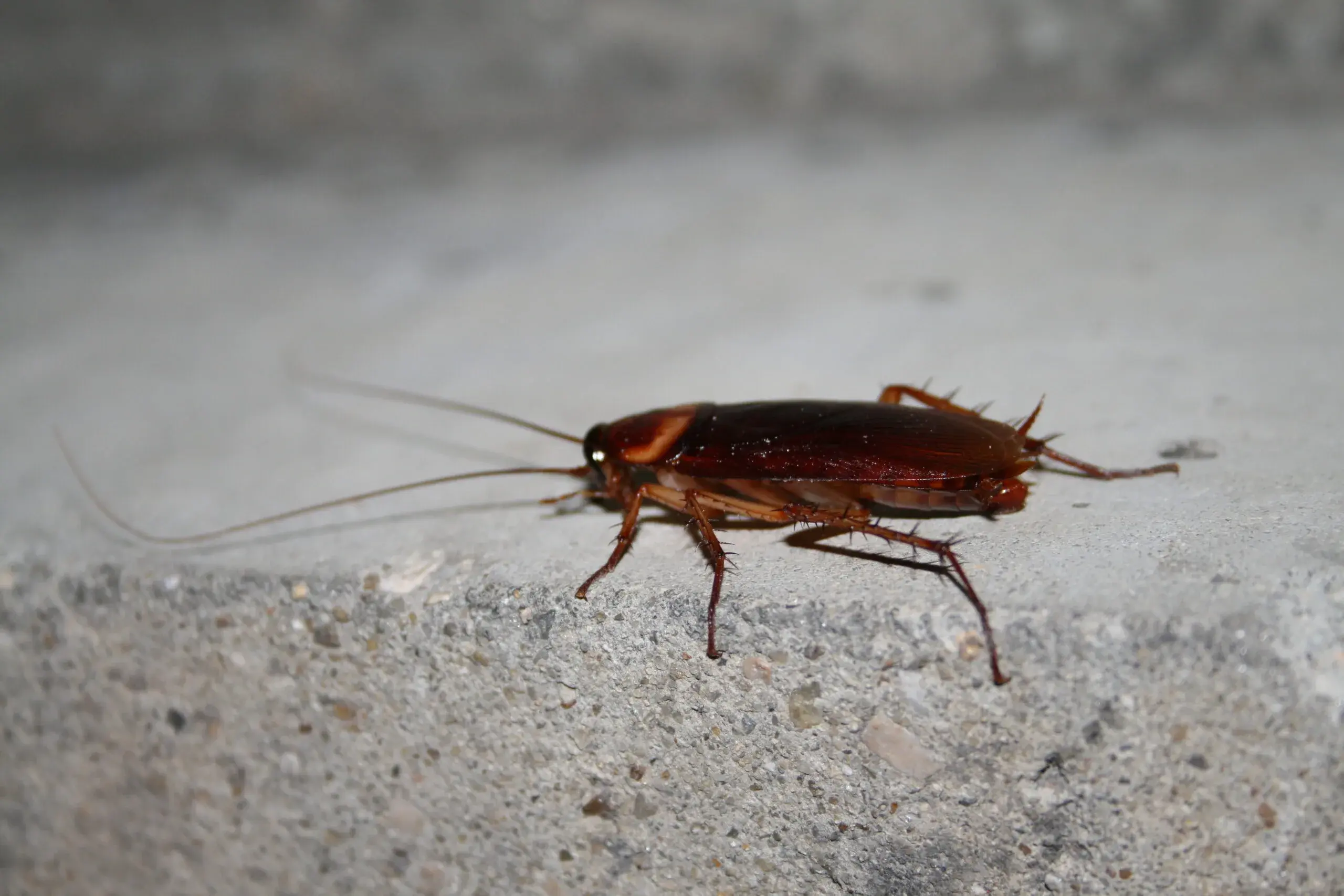
However, ignoring a cockroach infestation can create health concerns of its own. Cockroaches move through drains, garbage areas, and contaminated spaces before entering kitchens and living areas. They leave behind droppings, shed skins, and bacteria on surfaces where food is prepared or stored. These contaminants can trigger allergies and worsen respiratory problems in sensitive individuals.
For households with babies or pets, maintaining a hygienic environment becomes even more important. Professional pest control focuses on eliminating the infestation while minimising exposure to occupants. This is why modern family-safe pest treatment methods rely on targeted placement rather than widespread chemical spraying.
How Modern Cockroach Treatments Work
Cockroaches eat the bait and return to their nesting areas, where the toxin spreads through the colony and eliminates the infestation. Because these baits are applied in small quantities inside cracks and crevices, they rarely come into contact with people or pets.
When used according to instructions and placed out of reach, gel baits are considered safe for use in homes with children and pets. This is one reason many pest professionals recommend gel bait systems when families specifically request cockroach pest control treatment safe for babies and pets.
Safety for Babies and Toddlers
- Wiping kitchen surfaces before the technician arrives
- Storing food in sealed containers
- Clearing clutter from under sinks or appliances
What About Dogs?
Dogs are naturally curious animals. They often sniff around kitchens, cabinets, and garbage areas-exactly where cockroaches tend to hide. This is why careful placement of treatment products is essential.
Gel baits are usually placed in areas that dogs cannot easily access, such as inside wall cracks or behind appliances. If pets cannot reach the bait, the risk of exposure is extremely low. However, it is still important to monitor pets after treatment.
If a dog manages to ingest a large amount of bait, such as by licking multiple bait placements, it could experience mild stomach upset or other symptoms. Because of this possibility, pest technicians always recommend keeping pets away from freshly treated areas until the products are properly placed and secured. In most homes, these precautions are enough to make pet-safe cockroach control Perth treatments safe and effective.
Cockroaches multiply quickly and can spread bacteria across your home. Our technicians use targeted treatments designed to remove infestations while keeping your home safe for families and pets.
Are Sprays Safe for Dogs?
Special Considerations for Cats
What About Birds and Small Pets?
Because gel baits are placed in hidden areas and not sprayed into the air, the overall risk is still low. However, extra caution is always recommended with smaller animals. Professional pest control companies can adapt their treatment strategy to ensure that cockroach treatment is safe for babies and pets remains the priority.
Do You Need to Leave the House During Treatment?
Real-Life Scenario: A Family With Pets and a Baby
- Behind the refrigerator
- Inside cabinet hinges
- Under the sink near plumbing lines
- Inside wall voids
Conclusion
Discovering cockroaches in a home with babies, cats, or dogs can feel overwhelming. Many families delay treatment because they worry about the safety of pesticides around their loved ones.
Fortunately, modern pest control service methods are designed specifically to address these concerns. Targeted approaches such as gel baiting and crack-and-crevice treatments allow technicians to eliminate cockroach infestations while minimising exposure to people and animals.
When applied correctly, cockroach treatment safe for babies and pets is absolutely achievable. By working with experienced pest professionals and following simple preparation instructions, families can protect their homes from cockroaches while maintaining a safe environment for children and pets.

Frequently Asked Questions
Is cockroach treatment safe for babies and pets?
Yes. Modern treatments such as gel baits are placed in hidden areas and are designed to minimise contact with people and animals when used correctly.
Do we need to leave the house during pest control?
Not always. Many gel bait treatments allow families to remain at home, although some spray treatments may require a short vacate period.
Is cockroach spray safe for dogs?
Professional sprays are usually applied in hidden areas and are considered safe once dry, but pets should be kept away during application.
What type of pest control is safest for families?
Targeted methods such as gel baiting and crack-and-crevice treatments are commonly used as family-safe pest treatment options in homes with children and pets.