
White Ants vs Termites: Are They the Same Thing? A Perth Homeowner’s Guide
If you have ever heard someone in Perth mention “white ants,” they were most likely talking about termites. The term is common across Australia, but it often causes confusion for homeowners trying to identify pests around timber, walls, gardens, or roof spaces. So, are white ants termites? Yes. “White ants” is simply a common name for termites, even though termites are not ants at all.
The short answer is yes. If you’re wondering are white ants termites, the answer is absolutely. “White ants” is simply a common Australian nickname for termites, even though termites are not technically ants at all. Understanding this distinction matters because termites are one of the most destructive pests affecting Perth homes. Misidentifying them or underestimating the problem can lead to major structural damage and expensive repairs. This guide explains what white ants actually are, how to identify them, why Perth homes are vulnerable, and when to consider professional white ant treatment or Termite Treatment.
What Are White Ants?
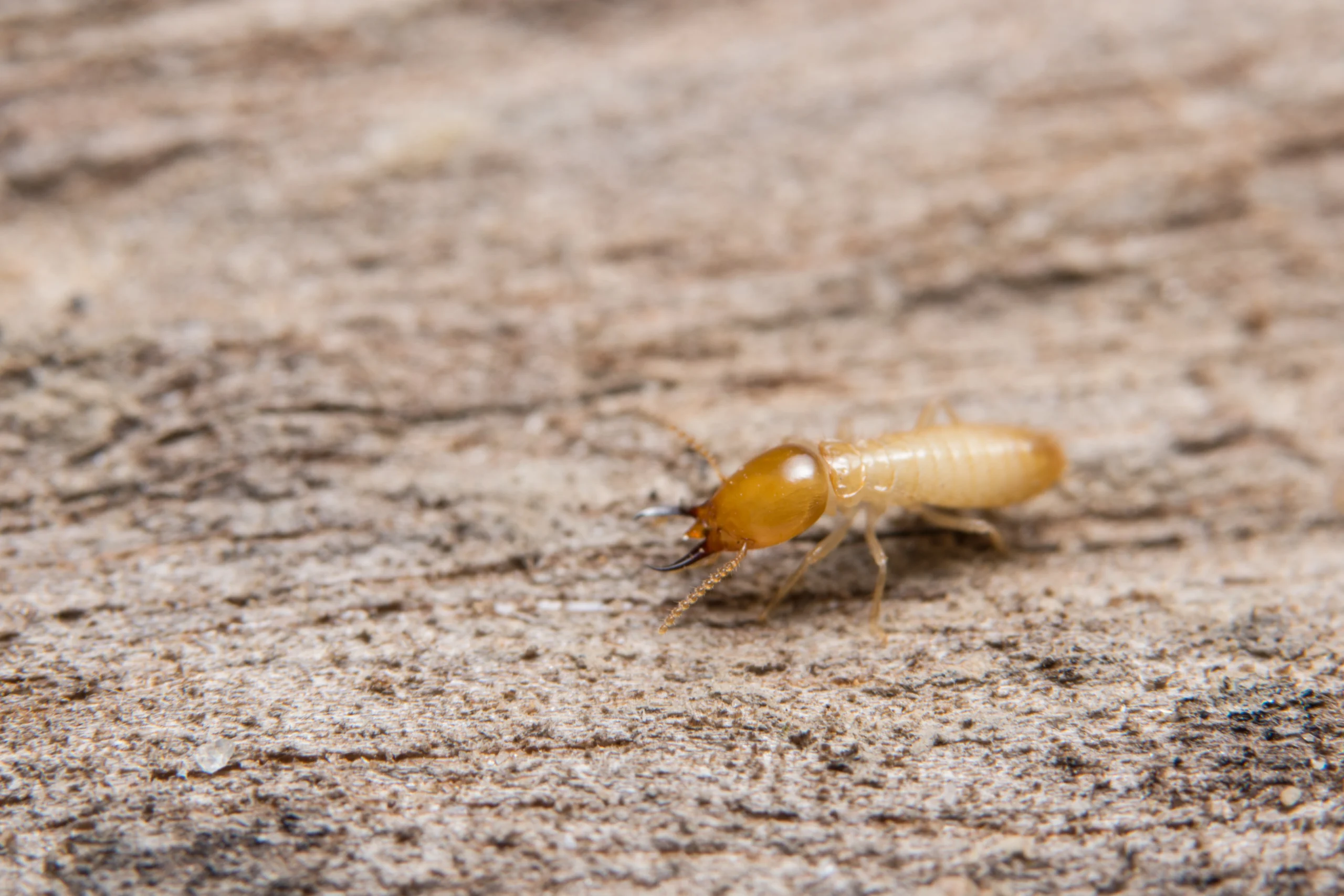
Let’s start with the basics. If you’re asking what are white ants, the answer is simple: they are termites. The term “white ants” developed because worker termites are pale in colour and superficially resemble ants to the untrained eye. However, termites belong to an entirely different insect group.
In fact, termites are more closely related to cockroaches than ants. Unlike ants, termites feed primarily on cellulose-based materials such as timber, paper, and plant matter. This is what makes them such a serious threat to homes. While ants are mostly nuisance pests, termites actively consume structural timber. A hidden colony can quietly weaken walls, flooring, roof supports, and door frames long before visible damage appears.
Why Perth Homes Are Vulnerable to Termites
Perth’s climate creates favourable conditions for termite activity throughout much of the year. Warm temperatures and dry conditions encourage subterranean termites to search for moisture and timber sources around residential properties.
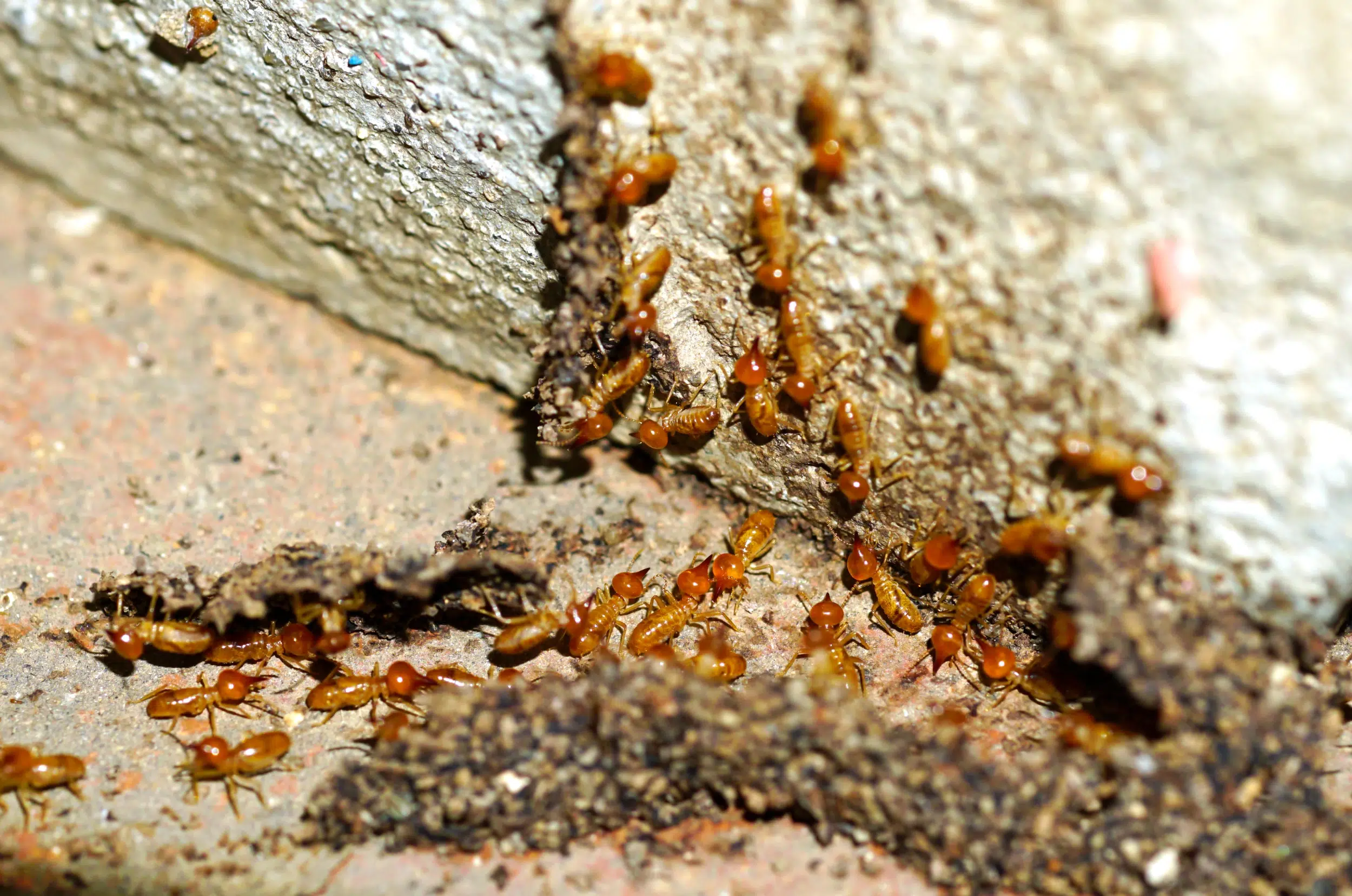
Many Perth homes also contain extensive timber features, including roof frames, flooring, fencing, decking, and landscaping elements. This gives termites easy access to food sources once they establish themselves nearby. Subterranean termites are particularly common in Western Australia and often build colonies underground while travelling into homes through concealed mud tunnels.
One of the biggest problems is that termites usually remain hidden. Homeowners often don’t realise there’s an issue until significant damage has already occurred. This is why proper termite identification Perth homeowners can rely on is so important.
The Difference Between Termites and Ants
Although termites are often called white ants, they are different from true ants. Termites have a soft, broad body with no narrow waist. Their antennae are straight, and worker termites are usually pale cream or white. Ants usually have a darker body, a narrow waist, and bent antennae.
Their behaviour is also different. Ants are often seen moving openly across benches, paths, gardens, and outdoor surfaces. Termites avoid light and open air, so they usually remain hidden inside timber, soil, wall cavities, or mud tubes. If pale insects appear from damaged timber or concealed areas, termites are a more likely concern than ordinary ants.
Why Accurate Identification Matters
One of the biggest mistakes homeowners make is assuming all small insects around timber are harmless ants. Unfortunately, termite infestations are often underestimated in the early stages because people don’t recognise the warning signs.
Accurate termite identification Perth professionals provide is essential because termite treatment differs completely from standard ant control. Spraying termites with household insect sprays can actually worsen the problem. Disturbing the colony may cause termites to retreat deeper into the structure and spread into new areas of the property.
- The termite species involved
- The extent of structural damage
- The source of infestation
- The most effective treatment approach
Termites can stay hidden inside walls, flooring, roof frames, and timber structures while slowly weakening your property from the inside. Our team identifies active termite areas, checks the source of the infestation, and provides targeted treatment.
Common Signs of a Termite Infestation
Termites are known as silent destroyers because they usually operate out of sight. However, there are subtle warning signs homeowners should watch for. One of the most common indicators is hollow-sounding timber. Because termites eat wood from the inside out, surfaces may appear intact while internal damage spreads underneath.
Mud tubes are another major warning sign. These thin, earthy tunnels allow termites to travel safely between the soil and timber while protecting themselves from light and dehydration.
- Tight-fitting doors or windows
- Bubbling or cracked paint
- Sagging timber
- Discarded wings near windows or doors during swarming season
- Faint clicking noises inside walls
Why DIY Treatments Rarely Work
When homeowners first discover termites, many attempt DIY sprays or bait products from hardware stores. The problem is that termite colonies are highly organised and deeply concealed. Surface-level treatments rarely reach the colony itself. Termites can travel through underground tunnels for long distances and maintain hidden nesting systems that are difficult to locate without specialised equipment.
In many cases, DIY treatment only eliminates visible termites while leaving the colony active elsewhere. This is why professional ant pest control is usually necessary for complete eradication.
Professional White Ant Treatment Options
Professional inspectors also identify conditions that may attract future termite activity, such as excess moisture or timber-to-soil contact.
Why Annual Inspections Matter in Perth
Even after successful treatment, ongoing inspections remain critical. Perth properties face constant termite risk because subterranean termite colonies can exist nearby for years without detection. Australian standards recommend regular termite inspections to identify early activity before structural damage becomes severe.
- New termite entry points
- Changes in moisture conditions
- Breaks in existing barriers
- Fresh signs of activity
The Cost of Ignoring the Problem
Many homeowners delay action because they assume termites are a minor issue. Unfortunately, termite damage can escalate quickly once colonies become established. Timber structures may weaken silently over months or years, leading to expensive repairs that are often not covered by standard insurance policies. The longer an infestation remains active, the greater the structural impact. Early professional intervention is always the safer and more cost-effective choice.
Conclusion
So, are white ants termites? Absolutely. In Australia, the terms are used interchangeably, even though termites are not true ants at all. Understanding what white ants are helps Perth homeowners recognise the seriousness of termite activity before major damage occurs. Whether you notice mud tubes, hollow timber, or suspicious insect activity, proper termite identification Perth professionals provide is essential for protecting your property.
Ignoring the issue or relying on DIY methods can allow termites to spread further into the structure. Professional white ant treatment and effective Termite Treatment remain the most reliable ways to eliminate infestations and safeguard your home long-term.
Frequently Asked Questions
Are white ants and termites the same thing?
Yes. In Australia, “white ants” is simply a common name used for termites.
Are termites common in Perth?
Yes. Perth’s climate makes homes highly vulnerable to termite activity, particularly subterranean termites.
Can I treat termites myself?
DIY treatments rarely eliminate the full colony and may worsen the infestation. Professional treatment is usually required.
How often should I get a termite inspection in Perth?
Annual termite inspections are strongly recommended to detect activity early and minimise structural damage.